5 Mobility Scooters On The Road Lessons From The Professionals


How Safely Can You Drive a Mobility Scooter on the Road?
Many first-time scooter users have questions about the rules and regulations that govern the use of mobility scooters. Essentially, mobility scooters are considered pedestrian vehicles and must follow the same guidelines as pedestrians who walk.
Mobility scooters are able to be driven on pedestrian walkways, sidewalks and roadways, however they should not be used on bus lanes or 'cycle only' routes. They should not be used on dual carriageways.
Sidewalks
Mobility scooters are popular due to the freedom they offer. Many people use them for travel. But, as with any other motorized vehicle, there are certain safety precautions that must be considered to ensure the wellbeing of the user and all people on the road.
It is crucial that users of mobility scooters adhere to local laws and regulations in order to ensure their safety as well as the safety of others. This includes following traffic rules, wearing proper safety gear, and ensuring that their scooter in good condition. It is also essential to not ride a scooter while under the influence of alcohol or drugs that may affect judgement and reaction times.
Mobility scooters may be driven on sidewalks or pedestrian walkways. However it is essential to exercise caution and allow pedestrians to have the right of right of way. They should only cross the street at designated crossings, and they should obey traffic signals. It is also recommended for scooter riders to wear reflective clothing and to attach reflectors to the front and rear of the scooter.
Walking on sidewalks requires skill, so it is essential to practice before going on an initial test ride. It is recommended to study the operating manual for the model you have chosen, as it will give you specific safety guidelines and maintenance tips. It is also essential to avoid walking or standing while riding a scooter as this could cause it to lose control.
It is best to call ahead to confirm that the public space is suitable for mobility scooters. This will avoid the trouble of having to locate an alternative location and assist you in avoiding any unexpected issues that may occur. Contacting a location ahead of time will also notify you about any accessibility features not listed on the website.
You should also be aware that mobility scooters are smaller than cars and that they can pose a problem if you turn suddenly. This is why you should plan your route with care and select routes that are suited to your scooter. This means choosing a route with low pedestrian traffic, narrow kerbs, wide pavements and a few traffic turns.
Roads
Mobility scooters permits people to travel across a variety of surfaces, including roads. They are not made to handle high speeds or traffic. In the end, adhering to local laws and the proper use of mobility scooters will help users maintain a safe, comfortable ride on the road.
Generally speaking, scooters of class 2 and 3 should only be used on pavements with the maximum speed of 4 mph. This restriction is intended to keep users, other road users and pedestrians safe. Additionally classes 2 and 3 scooters should never be driven on cycle-only or bus routes as they aren't made to handle these kinds of surfaces.
class 3 mobility scooters mymobilityscooters.uk of state regulations governing scooters' use on sidewalks and roads are similar to the rules that govern motorcycles. Pennsylvania for instance, requires that the brake horsepower of scooters not exceed 5 to ensure safety, both for the driver and those in the vicinity. Drivers must also adhere to the parking restrictions for cars and ensure that their scooters don't block pedestrian walkways.
The use of a mobility scooter can help seniors remain independent and avoid the need to enter an assisted living facility. These vehicles can also reduce anxiety and stress in those who have limitations in mobility. Many seniors find that their mobility scooters are essential tools in their daily life.
In addition to following traffic and safety rules, mobility scooter operators should also adhere to the local laws regarding the use of these vehicles on sidewalks and public roads. This will ensure safety for those who use these devices, and promotes peace between drivers, pedestrians and other individuals.
Additionally, one should be covered by liability insurance for their mobility scooter in the event of an accident which causes damage to property or injury to other people. A liability insurance policy can help to pay for repairs and replacements of mobility scooters in the event that it is damaged or damaged by another driver.
Parking
A mobility scooter is an innovative device that allows those with mobility issues to travel independently and get around their community. It's a great solution for those whose vision and motor coordination may have deteriorated over time due to medical conditions or injuries, or aging. Contrary to the speedy cars that are heavy mobility scooters operate at slower speeds and are much easier to manage.
It is essential that scooter users know how to operate their scooters in a safe manner and are aware of local laws. Most importantly, they should abide by all traffic regulations when operating their scooters on sidewalks or pedestrian paths.
While the speed limit on UK sidewalks for class 2 and 3, mobility scooters is 4mph, users are advised to exercise caution and allow pedestrians to pass. Additionally, they should never interfere with pedestrian crossings or block them. They should also refrain from using scooters in cycle-only lanes or bus lanes, and refrain from driving on dual carriageways with speed limits over 50 mph.
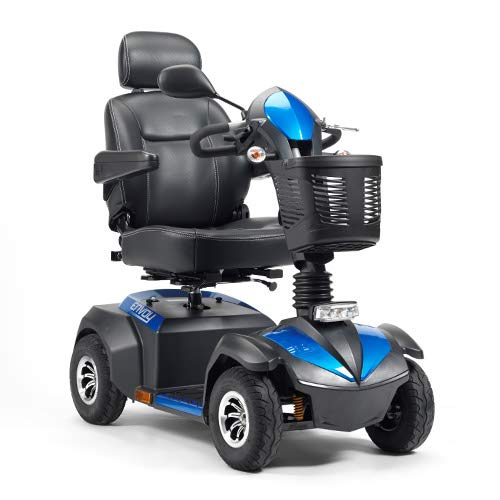
Users must also be on the lookout for the kerbs which have been thrown to make the transition from pavement to road as secure and smooth as is possible. It is not recommended to jump over a kerb as it could lead to injuries or accidents. If they're unable locate a dropped kerb or a kerb that has fallen, they should travel on a different route or wait until they can locate one.
Municipalities have their own rules that govern the use of mobility scooters in their jurisdiction. These rules and regulations can be found on the web or at the local council. They should be adhered to. For instance, some cities and towns require residents to obtain an official license plate for their device or carry liability insurance.
Other municipalities are more accommodating, permitting people to use scooters on roads that are public without the need for a license or insurance. In this case the user must be aware of traffic rules, avoid collisions with pedestrians or other vehicles, and also ensure that their scooter is in good condition.
Safety
Mobility scooters give people who have physical limitations the ability to travel without assistance. It is essential to be aware of the safety dangers of using these devices in public places and on the road. This includes understanding the rules of operation and knowing what to do if you do get into trouble.
You should practice driving your mobility scooter on pathways for pedestrians before moving to roads. This will help you to feel confident in your ability to accelerate, slow down, and turn left and right. It is also recommended to review the manual to become familiar with the model-specific guidelines.
Wear a helmet and protective clothing while riding your mobility scooter. This will lower the risk of injury if you have an accident. It is recommended to use headphones or mobile devices when riding. They can distract you from the road and prevent you from hearing traffic in the direction of travel.
If you are new to scooters it is essential to attend a training course. These courses are usually conducted by local police departments and teach you how to safely operate the vehicle. The classes are usually free and last for about two hours. They also include tips on how to stay safe from accidents and other dangers while riding the scooter.
Put a safety flag on your scooter or reflective strips to improve visibility. This is especially crucial in areas that are not well lit and at night. In addition, it is recommended to not use your phone while traveling on the scooter. It can easily distract you and cause an accident.
Also, be careful when crossing driveways. Drivers don't usually expect to see a person crossing the road on a scooter, and they may back out into the path of traffic that is coming up. You should also drive with extra caution on rough terrain and slopes.
The last thing to mention is that you should never ride your scooter on the bus lane or bicycle lane. It's not just dangerous, but it is illegal too. It could also be difficult for bus drivers and cyclists having to deal with you.